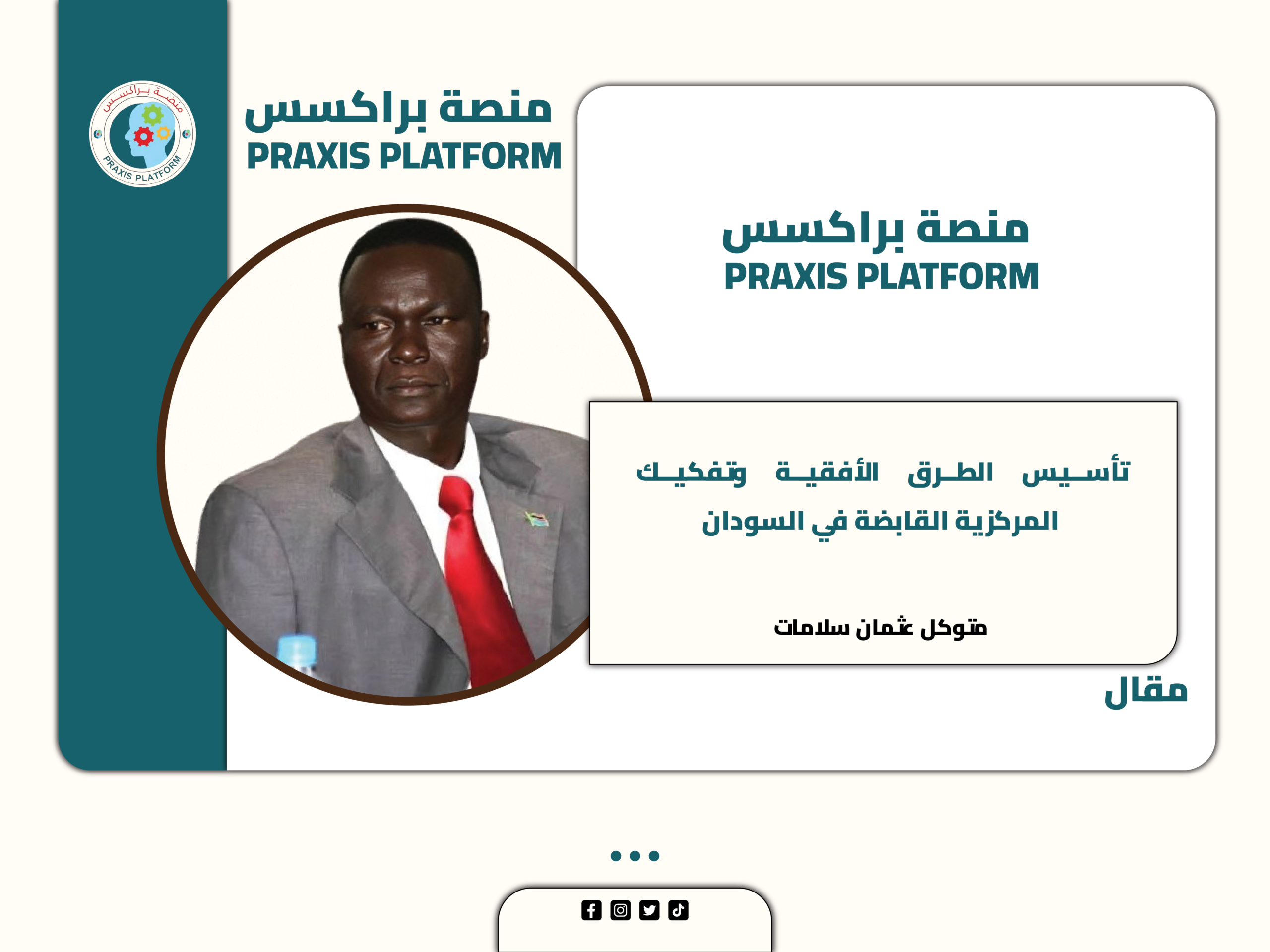
منذ تشكل هذا الكون وظهور القارات ونشأة إفريقيا، ثم قيام الدولة السودانية الحديثة، لم تُبنَ العلاقة بين أقاليم السودان المختلفة على أساس التواصل الطبيعي بين الشعوب، وإنما أُخضعت لمنطق الدولة المركزية التي ورثت بنيتها عن الإستعمار وأعادت النخب المركزية إنتاجها بصورة أكثر إحكاماً. فقد صُممت الطرق الرسمية وشبكات الحركة وأنماط الإدارة، بحيث تتجه جميعها رأسياً نحو الخرطوم، بإعتبارها المركز الوحيد الذي تمر عبره الأمن والسلام والسياسة والإقتصاد والثقافة والإعتراف المتبادل بين السودانيين.
ولذلك، لم يكن بوسع المواطن في دارفور أن يتعرف إلى أخيه في الشمالية إلا بعد المرور بالخرطوم، ولم يكن أبناء البجة في الشرق يتواصلون مع شعوب الفونج عبر فضائهم الطبيعي، كما لم تمتلك شعوب النوبة والحوازمة والمسيرية في إقليم جنوب كردفان/ جبال النوبة طريقاً رسمياً أو شعبياً يربطهم مباشرة بدارفور أو غيرها من الأقاليم للتواصل الاجتماعي والثقافي والسياسي والإقتصادي. فقد إحتكرت الدولة المركزية حق تنظيم اللقاء بين السودانيين، وحددت مكانه وشروطه ولغته وروايته، بحيث لا يلتقي السودانيون إلا بالطريقة التي يريدها المركز، وليس بالطريقة التي تفرضها مصالحهم المشتركة وتجاربهم التاريخية.
هذه المركزية بجانب كونها خيار إداري قهري تسلطي، فهي بنية ثقافية وإجتماعية وإقتصادية وسياسية ما بعد كولونيالية متكاملة، صُممت لإنتاج التبعية الدائمة للأقاليم، وإعادة تشكيل المجال السوداني بما يخدم إستمرار الهيمنة. فالطريق في الدولة المركزية كطريق الدمازين – الخرطوم، بورتسودان – الخرطوم، كادقلي – الخرطوم، نيالا – الخرطم، دنقلا/ حلفا السكوت – الخرطوم مثلاً، أبعد من مجرد وسيلة للنقل، فهو أكثر أداة فعال للسيطرة، ومساراً لإعادة إنتاج السلطة، وحدوداً تتحكم في حركة البشر والأفكار والسلع والثقافات.
ولهذا عمل النظام المركزي في السودان، عبر الحكومات المتعاقبة، على إنشاء طرق رأسية تربط الأقاليم بالمركز، مع إهمال متعمد للطرق الأفقية التي تربط الأقاليم ببعضها البعض، وذلك لتحقيق جملة من الأهداف البنيوية المتمثلة في الآتي:
أولاً: المحافظة على بنية الدولة الريعية والإستخراجية التي تقوم على تدفق الموارد من الأقاليم نحو المركز، بينما تعود السلطة الزائفة والقرارات الفوقية والمشاكل والأزمات من المركز إلى الأقاليم.
ثانياً: تسهيل نهب الموارد الطبيعية والبشرية من الهامش، وتحويلها إلى أدوات لتراكم الثروة والسلطة في يد أقلية من النخب المركزية (حاكمة ومعارضة)، بما يضمن إستمرار إختلال ميزان التنمية بين المركز والأقاليم.
ثالثاً: تعطيل وتجريم التواصل الأفقي بين شعوب الهامش، حتى تبقى هذه الشعوب معزولة عن بعضها البعض ويسهل تأليبها ضد بعضها، وخلق وتغذية النزاعات بينها، بينما يحتكر المركز دور الوسيط وصانع الحلول الشكلية التي لا تعالج جذور الأزمة، وإنما تعيد إنتاجها بصورة مستمرة.
رابعاً: إعادة إنتاج أبناء الهامش داخل الحقل الثقافي والسياسي والإقتصادي للمركز، بحيث يعاد تشكيل وعيهم وفق النموذج الإسلاموعروبي المركزي؛ فيفكرون كما تفكر النخب المسيطرة في الخرطوم، ويتعلمون ما تختاره لهم، ويتحدثون باللغة التي تمنحها الدولة صفة الرسمية، ويغنون بالشكل الذي تعترف به المؤسسات المركزية في المراكز الثقافية في بحري وأمدرمان والخرطوم، ويكتبون الشعر والأدب وفق معايير إنسان العاصمة المثلثة، ويرتدون الأزياء التي تصنفها السلطة بوصفها رمزاً للوطنية، ويستهلكون السلع التي تدور داخل إقتصاد المركز، فيتحول التنوع السوداني إلى نسخة واحدة تعكس رؤية المركز للعالم.
هذه هي المركزية القابضة التي يعمل تحالف السودان التأسيسي على تفكيكها، وذلك بنقل السلطات إلى الأقاليم، وإعادة تأسيس الدولة نفسها على قاعدة اللامركزية الحقيقية، وإعادة تعريف العلاقة السياسية والإقتصادية والثقافية والإجتماعية والقانونية بين المركز والأقاليم، بما يقرب الظل الإداري من المواطن، ويؤسس لحكم محلي يتمتع بالسلطات والموارد والصلاحيات الدستورية الكافية، في ظل الشفافية والمسآءلة والرقابة وسيادة حكم القانون.
ومن هذا المنظور، فإن فتح الطرق الأفقية بين الأقاليم السودانية يعد من أهم أولويات حكومة السلام ممثلة في المجلس الرئاسي بقيادة رئيس المجلس الفريق أول/ محمد حمدان دقلو ونائبه القائد/ عبدالعزيز آدم الحلو، ورئيس الوزاء الأستاذ/ محمد حسن التعايشي، وفي مقدمتهم قوات تحالف السودان التأسيسي، وهو عمل واقعي وملموس ويمثل أكبر تحول في مشروع البنية التحتية السودانية منذ الإنفجار العظيم لهذا الكون، وفعل ثوري تحرري يعيد رسم الجغرافيا السياسية للسودان، ويكسر الإحتكار التاريخي الذي مارسته المركزية القابضة ونخبها على حركة الشعوب والثروات والأفكار. وهو الإنجاز الذي أحتفى به الدكتور/ الوليد مادبو في أحد مقالاته، عندما قام الدعم السريع بفتح الطريق التاريخي بين الإقليم الشمالي وإقليم دارفور، بإعتباره تحولاً إستراتيجياً في بنية الدولة السودانية، لأنه يعيد للسودانيين حقهم الطبيعي في التواصل المباشر دون وصاية من أي مركز.
فعندما تصل قشطة جنوب كردفان/ جبال النوبة إلى دارفور، ويصل برتقال أبو صرة وتفاح دارفور إلى جنوب كردفان/ جبال النوبة والشمالية، ويصل بلح الشمالية إلى دارفور وكردفان والشرق، وينتقل لبن الإبل من الشرق إلى إقليم الفونج الجديد، ويصل عسل النحل وأسماك الفونج الجديد إلى الشرق والوسط، فإننا بذلك نحرك السلع ونحرك معها ذاكرتنا المشتركة والثقة المتبادلة والثقافات المحلية والإعتماد الإقتصادي المتبادل، وتتكون بذلك سوق وطنية حقيقية تنشأ من تفاعل الأقاليم فيما بينها، لا من احتكار المركز لحركة التجارة والموارد.
إن الطرق الأفقية وفقاً لرؤية تحالف السودان التأسيسي هي مشروع لإعادة بناء السودان على أساس الإعتراف المتبادل بين شعوبه وإعادة توزيع القوة والثروة والمعرفة وإنهاء إحتكار المركز ونخبه لتعريف الوطن، بحيث يصبح السودان فضاء مفتوحاً تتواصل فيه الشعوب مباشرة وتتشارك المصالح، وتصنع مستقبلها بإرادتها الحرة دون الحاجة إلى المرور عبر بوابة الخرطوم أو أي مركز يحتكر حق الوصاية على بقية الوطن.
*Building Horizontal Routes and Dismantling* *Entrenched Centralization in Sudan*
✍🏿 *Mutwakil Osman*
Since the formation of the universe, the emergence of the continents, and the rise of Africa, and later the establishment of the modern Sudanese state, relations among Sudan’s different regions have not been built on the basis of natural communication among their peoples. Instead, they have been subjected to the logic of a centralized state that inherited its structure from colonialism, only for the central elites to reproduce and reinforce it in an even more entrenched form.
Official roads, transportation networks, and systems of administration were designed in such a way that they all ran vertically toward Khartoum, treating it as the sole center through which security, peace, politics, economics, culture, and mutual recognition among Sudanese people had to pass.
Consequently, a citizen in Darfur could not easily get to know or connect with his fellow Sudanese in the Northern State without passing through Khartoum. The Beja peoples of the East could not communicate with the peoples of the Fung through their natural geographic space. Likewise, the Nuba, Hawazma, and Misseriya peoples of South Kordofan/Nuba Mountains did not have official or popular routes directly connecting them with Darfur or other regions for social, cultural, political, and economic interaction.
The centralized state monopolized the right to regulate encounters among Sudanese people. It determined where such encounters would take place, under what conditions, in what language, and according to which narrative. Sudanese people could therefore meet only in the manner desired by the center, rather than according to the interests they shared and the historical experiences that connected them.
This centralization is not merely a coercive and authoritarian administrative choice. It is an integrated postcolonial cultural, social, economic, and political structure designed to produce the permanent dependency of the regions and to reshape Sudan’s spatial and territorial order in ways that serve the continuation of domination.
Within a centralized state, a road such as Damazin–Khartoum, Port Sudan–Khartoum, Kadugli–Khartoum, Nyala–Khartoum, or Dongola/Halfa–Sukut–Khartoum, for example, is far more than a means of transportation. It becomes one of the most effective instruments of control, a pathway for reproducing power, and a boundary governing the movement of people, ideas, goods, and cultures.
For this reason, Sudan’s centralized system, through successive governments, worked to construct vertical roads connecting the regions to the center, while deliberately neglecting horizontal roads connecting the regions to one another. This served a number of structural objectives:
First: Preserving the Structure of the Rentier and Extractive State
The centralized system preserves a rentier and extractive state structure based on the flow of resources from the regions toward the center, while what flows back from the center to the regions is symbolic authority, top-down decisions, problems, and crises.
Second: Facilitating the Extraction of Natural and Human Resources
It facilitates the extraction of natural and human resources from the peripheries and their transformation into instruments for accumulating wealth and power in the hands of a minority of central elites—both those in government and those in opposition—thereby ensuring the continued imbalance in development between the center and the regions.
Third: Disrupting and Criminalizing Horizontal Communication
It disrupts and criminalizes horizontal communication among the peoples of the periphery, keeping these communities isolated from one another and making it easier to set them against each other, create and fuel conflicts among them, while the center monopolizes the role of mediator and producer of superficial solutions that do not address the roots of the crisis but instead continuously reproduce it.
Fourth: Reproducing the Periphery within the Cultural, Political, and Economic Field of the Center
It reproduces the people of the periphery within the cultural, political, and economic sphere of the center, reshaping their consciousness according to the central Arab-Islamic model.
They are encouraged to think as the dominant elites in Khartoum think, to learn what those elites choose for them, and to speak the language that the state recognizes as official. They sing in forms recognized by central institutions in the cultural centers of Bahri, Omdurman, and Khartoum. They write poetry and literature according to the standards of the people of the capital’s metropolitan triangle. They wear clothing classified by the authorities as symbols of patriotism, and consume goods circulating within the center’s economy.
In this way, Sudanese diversity is gradually transformed into a single version reflecting the center’s own vision of the world.
This is the entrenched centralization that the Founding Sudan Alliance seeks to dismantle by transferring powers to the regions, rebuilding the state itself on the basis of genuine decentralization, and redefining the political, economic, cultural, social, and legal relationship between the center and the regions.
The objective is to bring administrative authority closer to citizens and establish local government endowed with sufficient constitutional powers, resources, and jurisdictions, within a framework of transparency, accountability, oversight, and the rule of law.
From this perspective, opening horizontal roads between Sudan’s regions is one of the major priorities of the Peace Government, represented by the Presidential Council led by Chairman General Mohamed Hamdan Dagalo, with his deputy Commander Abdel Aziz Adam Al-Hilu, and Prime Minister Mohamed Hassan Al-Ta’aishi, and foremost among them the forces of the Founding Sudan Alliance.
This is a practical and tangible undertaking. It represents the greatest transformation in Sudan’s infrastructure project since the Big Bang that gave birth to this universe, as well as a revolutionary act of liberation that redraws Sudan’s geopolitical geography and breaks the historical monopoly exercised by entrenched centralization and its elites over the movement of peoples, wealth, and ideas.
This achievement was celebrated by Dr. Al-Waleed Madbo in one of his articles when the Rapid Support Forces opened the historic road connecting the Northern Region with Darfur. He described it as a strategic transformation in the structure of the Sudanese state because it restores to Sudanese people their natural right to communicate directly with one another without the guardianship of any central authority.
When cream from South Kordofan/Nuba Mountains reaches Darfur, when Abu Surra oranges and Darfur apples reach South Kordofan/Nuba Mountains and the Northern State, when dates from the Northern State reach Darfur, Kordofan, and the East, when camel milk moves from the East to the New Fung Region, and when honey and fish from the New Fung Region reach the East and the central regions, we are not merely moving commodities.
We are also moving our shared memory, mutual trust, local cultures, and economic interdependence. In this way, a genuine national market emerges from interaction among the regions themselves, rather than from the center’s monopoly over trade and the movement of resources.
According to the vision of the Founding Sudan Alliance, horizontal roads are a project for rebuilding Sudan on the basis of mutual recognition among its peoples; redistributing power, wealth, and knowledge; and ending the monopoly exercised by the center and its elites over defining the nation.
Sudan would thereby become an open space in which its peoples communicate directly, share common interests, and shape their future through their own free will—without having to pass through the gateway of Khartoum or any other center that claims a monopoly over the right to exercise guardianship over the rest of the country.
“Unofficial translation”